
Production and Distribution
Fraternity Without Borders
All Fraternity Without Borders projects supported by the Alok Institute in Africa comprise the elements of encouraging Entrepreneurship (professional workshops and other opportunities), Social Gastronomy (production and access to food) and Human Development (notably education of children and young people).
The Alok Institute and the humanitarian organization Fraternity Without Borders (FSF) are working in partnership in Mozambique (Acolher Moçambique project), Malawi (Ubuntu Nation) and Madagscar (Madagascar Action).
Mozambique
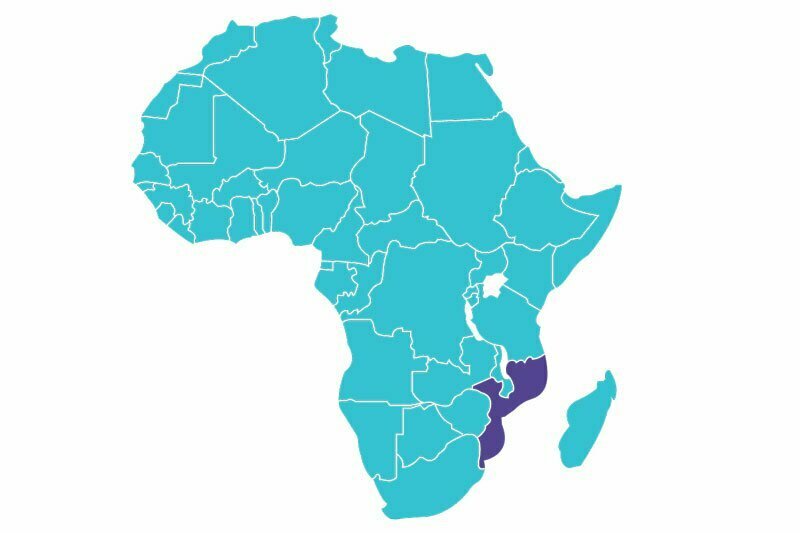
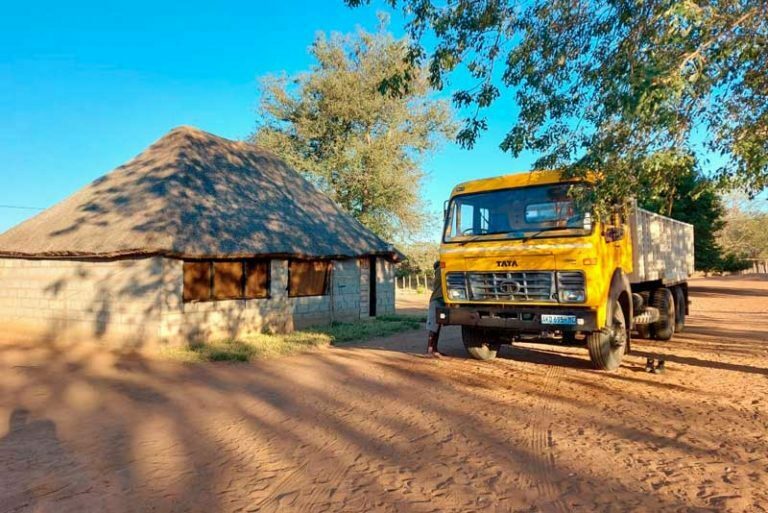
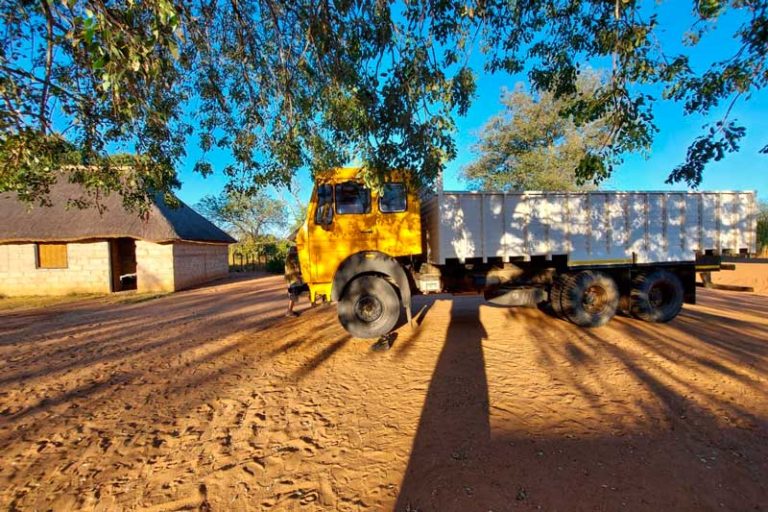
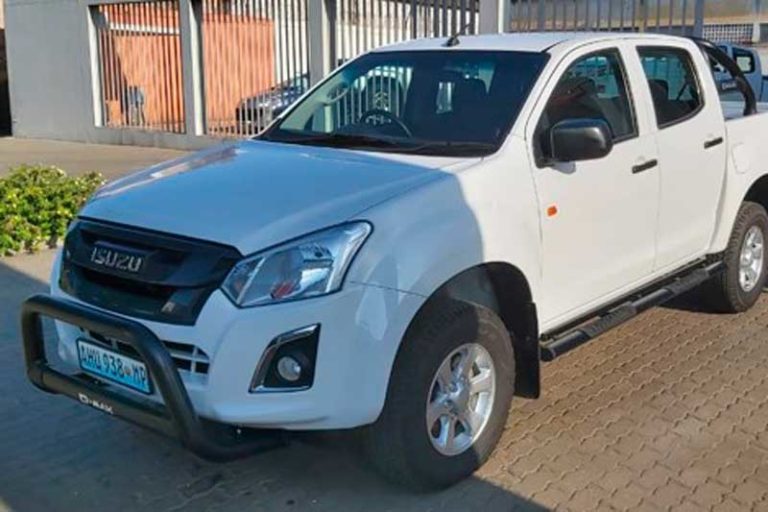
Food at the table – With the purchase of a truck and a car, it is easier to transport food and construction materials. The truck, with the capacity to transport 60 tons, serves the 30 reception centers directly benefiting 14,000 people every month.
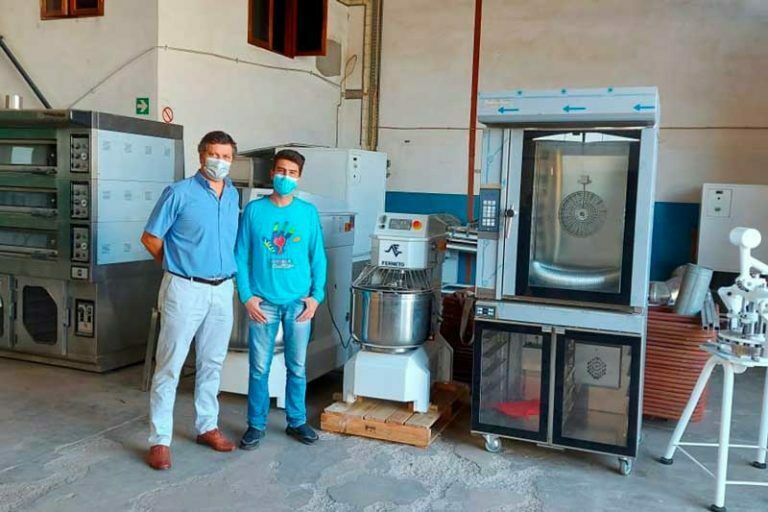
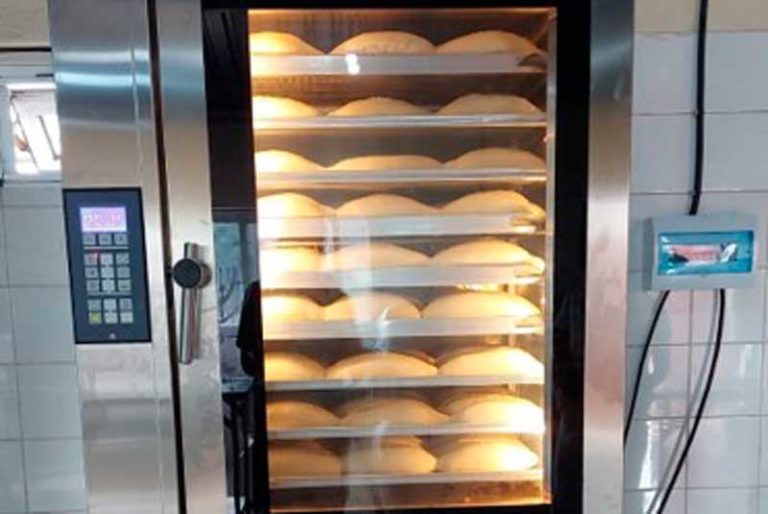
Bakery – To modernize the structure, new equipment and machinery were purchased, such as a mixer, oven and dough divider that speed up the production of 1,000 loaves of bread every day. Bread is sold and also distributed to the young people at the bakery and snacks for volunteers at the reception center. All profits are reinvested in the bakery and in the Fraternity Without Borders Youth Program.
Malawi
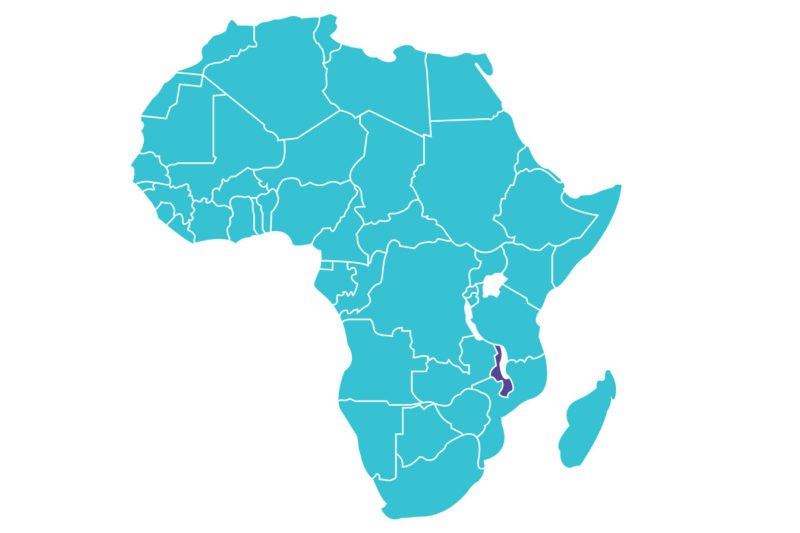
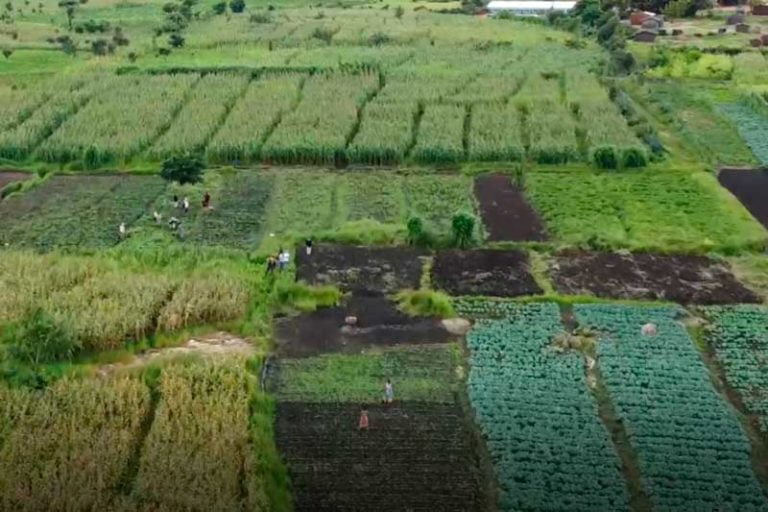
Agriculture – In the Field Mothers Initiative, from the Ubuntu Nation project, approximately 200 women who live in extreme vulnerability participate. Today there are more than 15 hectares of land, where food is grown for the families and assisted by the project.
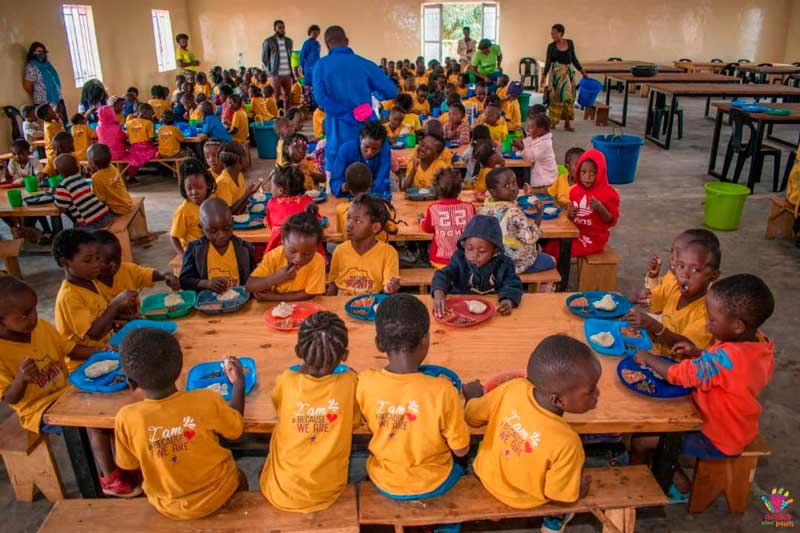
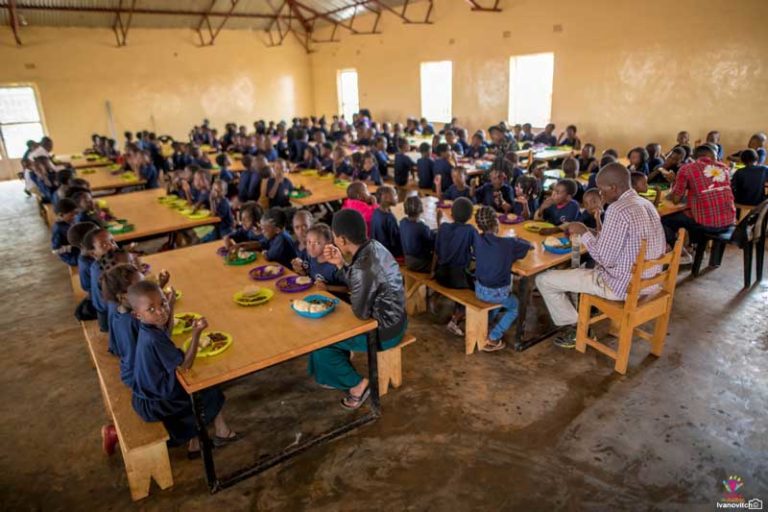
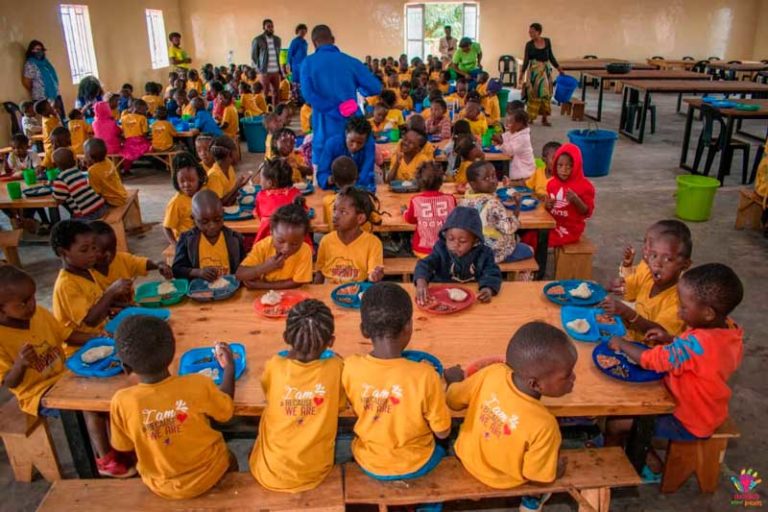
Cafeteria – The cafeteria built at Ubuntu Nation School has a capacity for 500 adults or 700 children. Today, meals are served in shifts to further increase service capacity. There are more than 20 thousand meals served monthly.
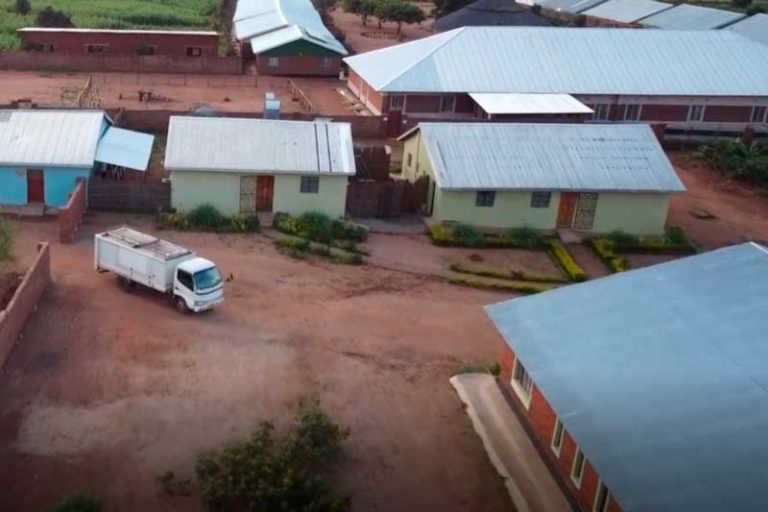
Reception centers – With the acquisition of a truck with a capacity of 3 tons of cargo, it is now easy to transport food between communities. The truck is also used to transport construction materials enabling local works.
Madagascar
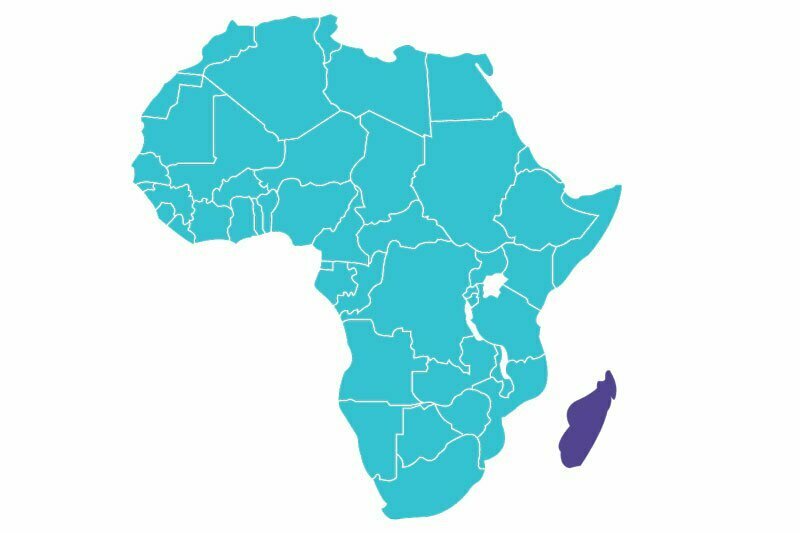
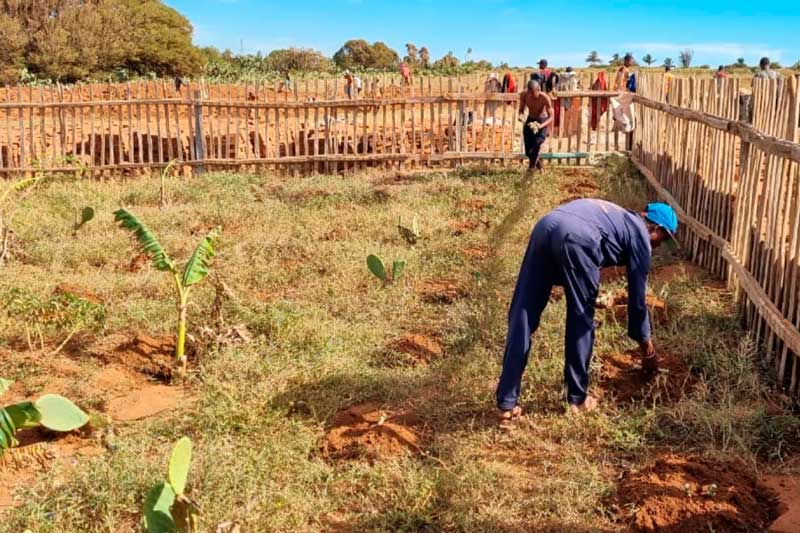
Agriculture – In an area of approximately 5,000 meters, the agroforestry and planting project takes place. Cassava and pumpkin plantations are intended both to feed communities and to generate income. More than 100 people participate in this activity, benefiting 100 families and the local community.
About the FSF
Support you too:
Gastronomy
Development


